

Our SEMH Curriculum
The SEMH Curriculum at Minerva May School equips students with the tools to thrive emotionally and socially while fostering resilience, self-awareness, and interpersonal skills. Aligned with our vision of nurturing independence, we create a supportive environment that helps students build confidence and develop healthy relationships. The curriculum features a range of programmes and activities tailored to address the emotional needs of our pupils:
Zones of Regulation
This framework helps students identify their emotions by categorising them into zones (red, yellow, green, and blue). Through activities and discussions, students learn self-regulation techniques that empower them to manage their feelings and responses effectively. The aim is to create awareness of how emotions affect behaviour and to provide tools for appropriate self-management.
Mindfulness/Pastoral Time Support
This programme offers dedicated time for students to engage in mindfulness practices, such as breathing exercises and meditation. It encourages reflection and emotional awareness, helping students to develop a calm mindset. By fostering a sense of inner peace, students can better navigate their feelings and improve their focus.
Employability and Life Skills
This initiative prepares students for independence and future employment by teaching essential life skills, such as communication, problem-solving, and time management. Activities include practical exercises and role-playing scenarios that mimic real-world situations. By building these skills, students gain confidence and a sense of readiness for future challenges.
PACE (Playfulness, Acceptance, Curiosity, Empathy)
This therapeutic approach focuses on fostering emotional safety and connection with students, particularly those who have experienced trauma. By emphasising playfulness and curiosity, staff engage students in a way that promotes trust and emotional connection. This approach helps create a secure environment where students can learn and grow.
Neurosequential Model in Education (NME)
This model provides insights into how trauma affects brain development and learning. By prioritising relational and sensory experiences in teaching, we cater to the developmental needs of our students. This approach helps create a more effective learning environment that acknowledges and responds to the impact of trauma on behaviour and learning.
By integrating these programmes and practices into our curriculum, we aim to create a supportive and understanding atmosphere that addresses the unique needs of all our pupils.
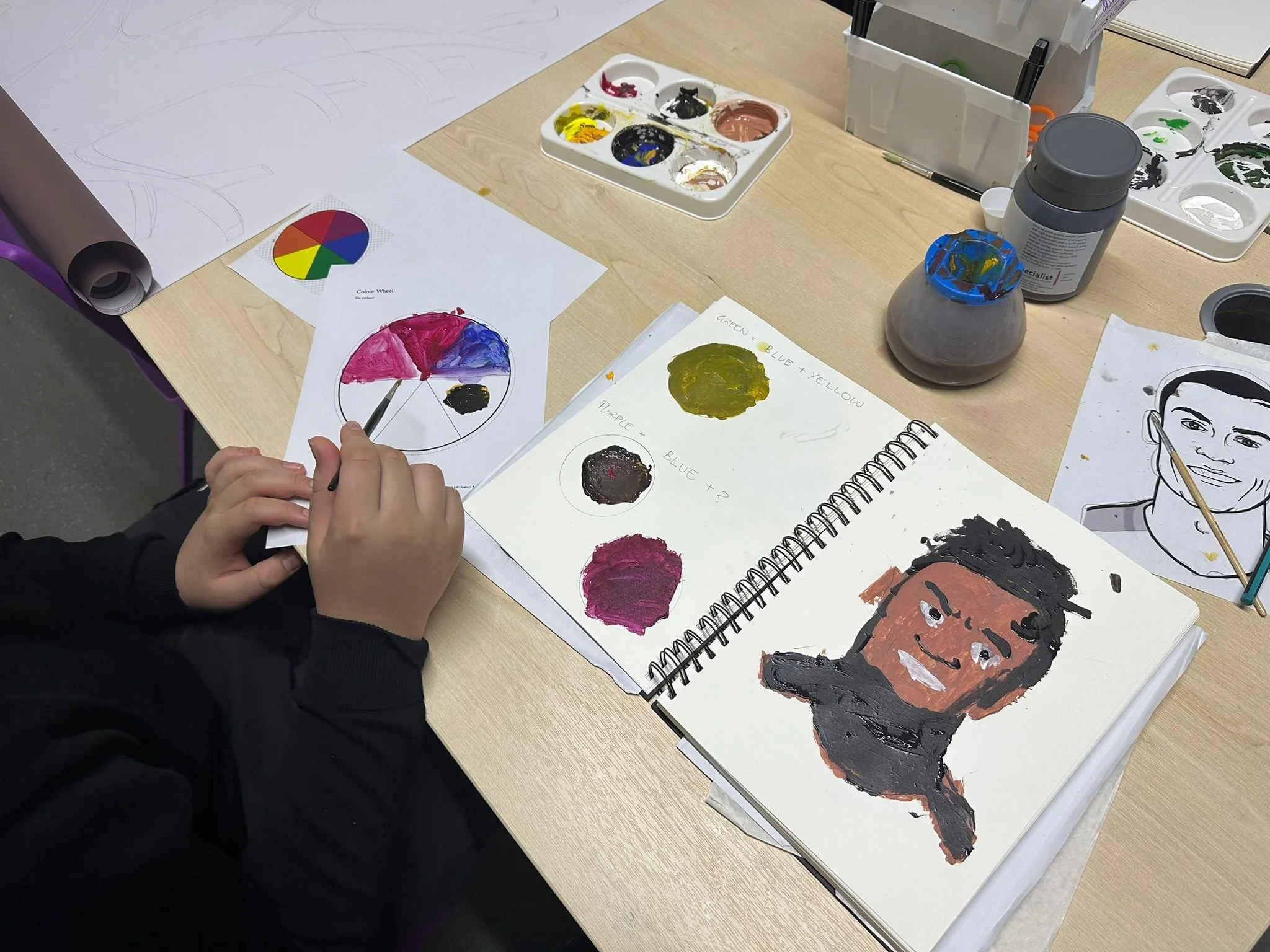
“I feel the staff listen to me at Minerva May.” - Student
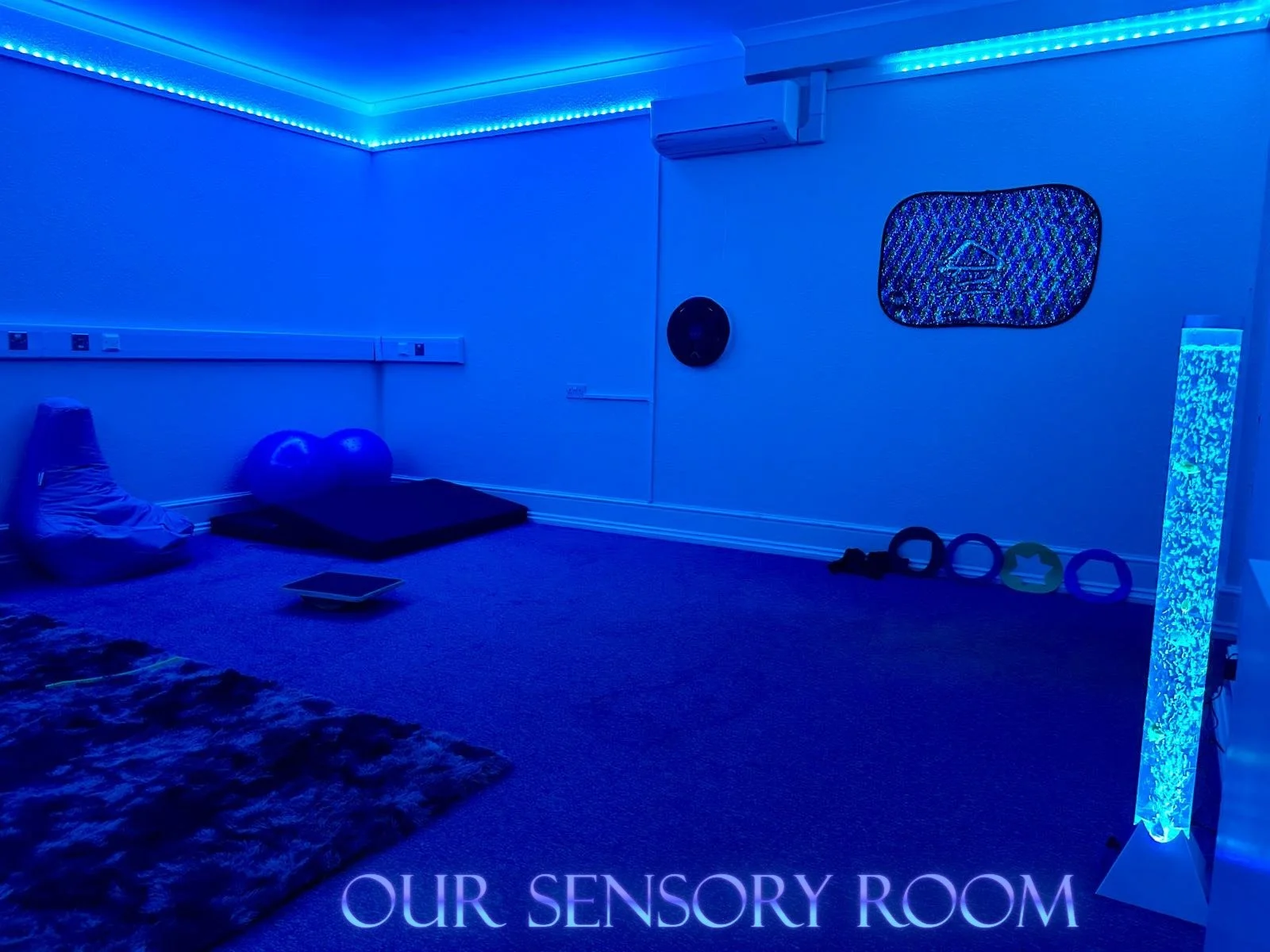
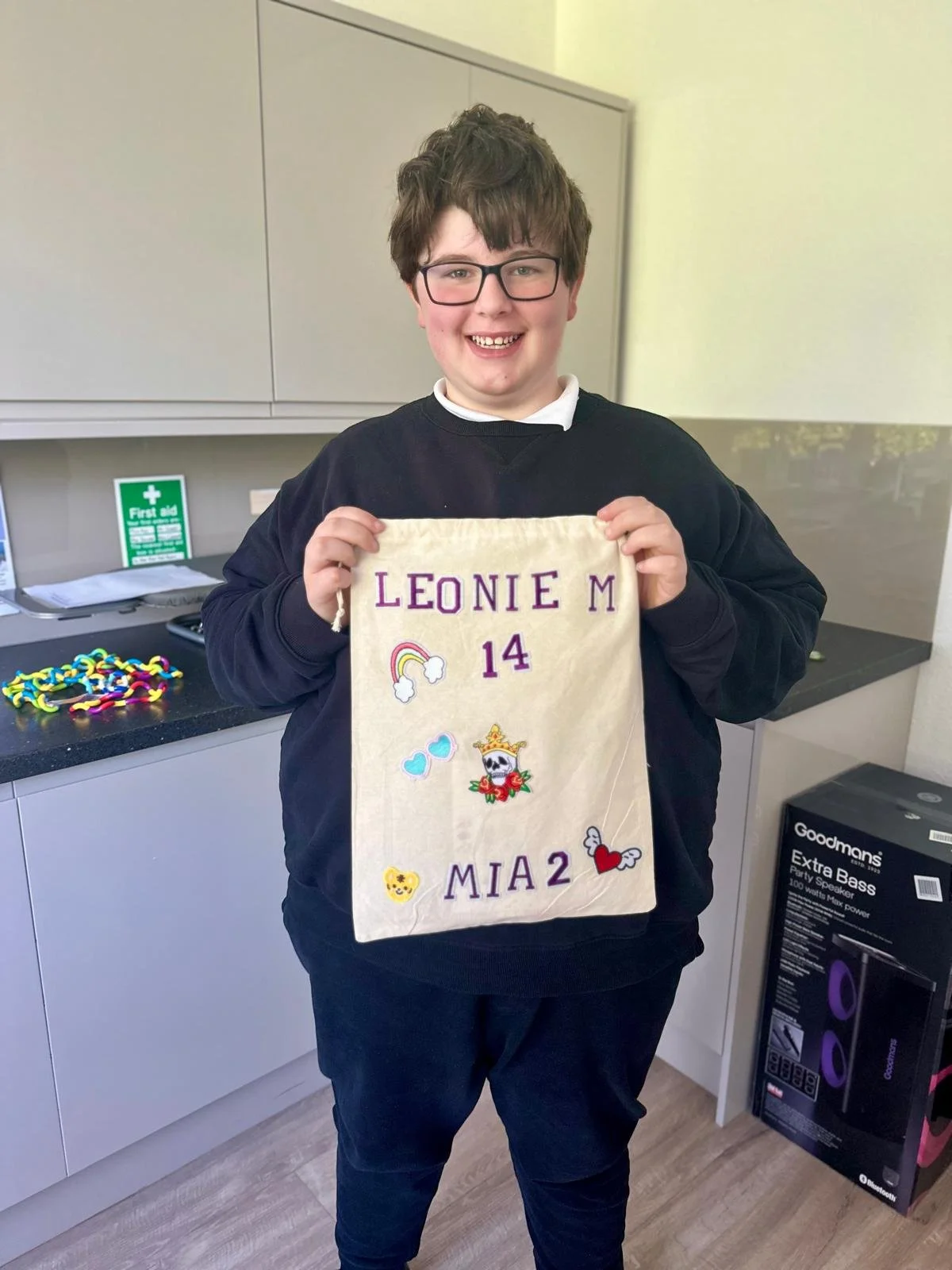
“This school helps me to relax and learn. The staff are very helpful” - Student